The Morning Oatmeal Quietly Sent My Brother To The Stroke Ward
If you're over 50 and your sugar is "fine," read this. My brother's was "fine" too, right up until a clot took his words.
Kaylee saw me from the stage.
She was eight, third from the left, singing the song she'd practiced in our kitchen for two weeks, and her Pop-Pop was asleep in the fourth pew with his chin on his chest.
In the car she wouldn't look at me. "You were sleeping again, Pop-Pop."
It was right after the church lunch, and I hit that same wall after most meals. At work it came about an hour after breakfast, when my eyes got so heavy I'd read the same email three times.
I'm 59, so I figured this is just what 59 feels like.
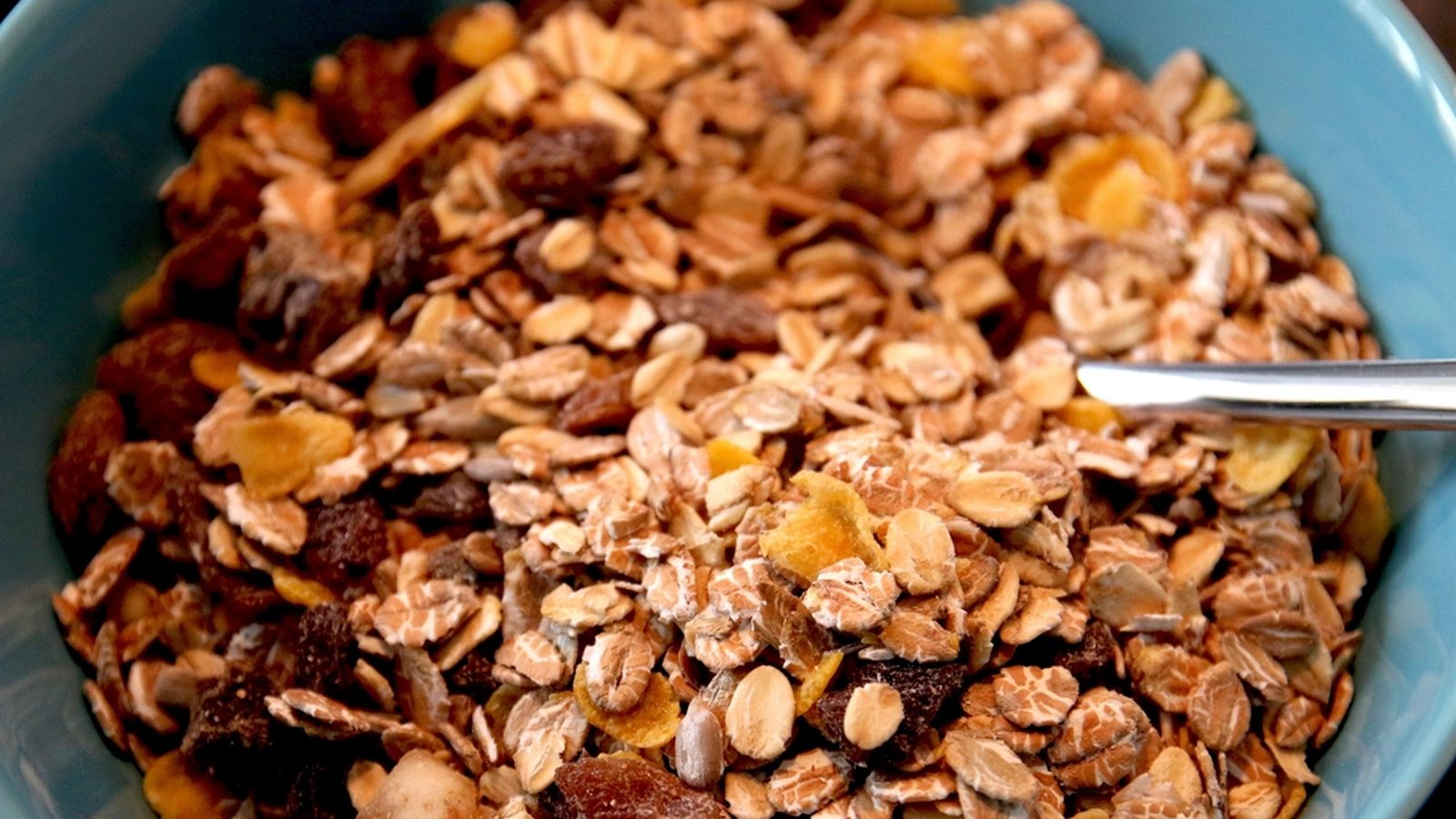
The strange part was that I ate better than anybody I knew. Every morning for eleven years I had oatmeal with honey, a banana and a tall glass of orange juice.
My fasting sugar was 97, and every year my doctor told me the same thing: "Your sugar's fine."
Then my brother's wasn't.
His Sugar Was "Fine" Too
Dennis is five years older than me, and he's the one who taught me to change my own oil.
In January his wife found him on the bathroom floor at 6 a.m., trying to talk with half his mouth. It was a stroke. A clot had blocked an artery in his brain.
In the ER they gave him a clot-busting drug, and the doctor said it helps the body break down fibrin, the stuff a clot is made of.
Then she asked how long Dennis had had diabetes.
He didn't, not according to his checkups. His fasting sugar had always been "a little high, watch the sweets." But his A1c in the ER said diabetes, and the doctor said he'd probably had it for years.
I drove home that night thinking about my own "fine."
187 at 8:10 in the Morning
The next week I bought a glucose sensor at the drugstore. It's a little patch on the back of your arm that sends your sugar to your phone.
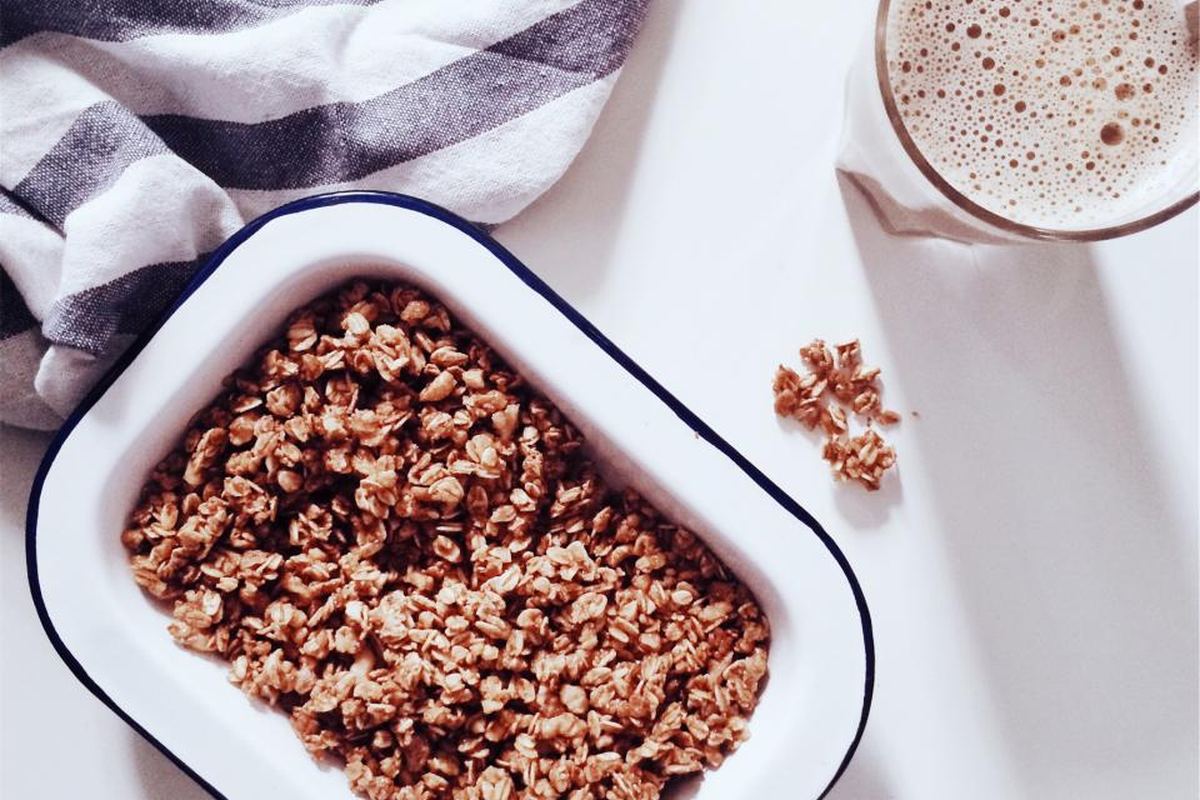
On day one I ate my oatmeal, my banana and my orange juice at 7:30, the breakfast I was so proud of.
At 8:10 I pulled into the office lot feeling fine, and my phone said 187.
At 8:30 the wall hit, right on time.
So that's why.
The wall I'd been blaming on my age was sitting right there on the graph, right behind my "healthy" breakfast.
Later I found a Stanford study where they put sensors on "healthy" adults, and thirty of them ate a bowl of cornflakes and milk. 80% of them spiked. More than half of the people whose regular tests said they were fine spiked as high as people with prediabetes or diabetes.
Not one of my checkups had ever looked at what happened after I ate.
What the Graph Can't Show: Fibrin
The graph could show me the spike, but it couldn't show me what the spike was doing to my blood.
Remember the word the ER doctor used? It was fibrin.
A clot is a net of fibrin. Your body ties that net to patch a leak, then cuts it away when the job is done.
When researchers raised healthy people's blood sugar, their blood showed more fibrin being made.
And in a small study of heart patients with high sugar, the net took about 18% longer to cut away. None of them had been told they had diabetes.
Neither had Dennis.
Nobody has tested cornflakes and clots together, so I'll be honest that I put this together myself, sitting in the car with the graph in my hand. But if it was true for me, every 187 meant more net, cleared slower, and I'd had eleven years of those breakfasts.
I'd been feeling the spike and blaming my age. What I couldn't feel was what it might be doing to my blood.
Where "A Little High" Took Dennis
Three weeks later I visited Dennis at the rehab center.
His right hand sat curled in his lap, like he was holding something that wasn't there. His wife cut his chicken into small squares, and he let her.
Kaylee had made him a card. He held it up and tried to say her name, and it came out wrong. He tried again, and it came out wrong again.
My big brother, who didn't cry at our father's funeral, put the card over his face.
Most strokes happen just like his, with a clot blocking the blood, and so do most heart attacks.
After that visit, I couldn't hit the wall without seeing his hand. Every morning around 8:30 my eyes would get heavy at my desk, and there was Dennis, curled in that chair, trying to get her name out.
If your checkups only look at a fasting number, you could be hearing the same "fine" he heard.
Everything I Did Was Aimed at a Number
I'd been doing everything I was told. I ate the oatmeal for my cholesterol, took a statin every night and a blood pressure pill every morning, walked the dog, and never missed a checkup.
All of it helps, and I still do all of it.
But every one of those things is aimed at a number, and not one of them was aimed at the fibrin.
The Graph Went Dark. The Spikes Didn't.
So I did the obvious thing. I swapped the oatmeal and juice for eggs and started walking ten minutes after dinner, and the sensor showed smaller spikes. Do both of those.
But I still spiked after a "healthy" granola bar, and after a bad night's sleep.
Then on day 15 the sensor ran out. The graph went dark, but the spikes didn't.
Three meals a day is over a thousand meals a year, and nobody wins them all.
Eating better goes after the spike. Nothing on my plate goes after the fibrin.
An Enzyme That Breaks Down Fibrin
The answer came across my own desk. Marjorie, a client of twenty years, asked me about Dennis, and when I said the word fibrin, she nodded.
"I take something for that," she said. "It's called nattokinase. Ask your doctor, though, because it isn't for everybody."
Nattokinase comes from natto, a fermented soybean food people in Japan have eaten for centuries.
Scientists call it a fibrinolytic enzyme, which is a fancy way of saying it breaks down fibrin. In the lab it cuts through the net directly, even once the net has set. In a small study of healthy men, one dose raised the body's own fibrin breakdown within hours, with everything still in the normal range. Two small studies also found a modest drop in blood pressure.
It was the first thing I'd found that goes after the fibrin itself.
My doctor finally ran an A1c, and it came back 5.8. "A little high," he said, which were the exact words they'd used on Dennis.
Then he went through what I take. There was no blood thinner, no aspirin, no bleeding problem and no surgery coming up, so he said it was reasonable to try, as long as I kept up the eggs and the walks.
A bowl of natto doesn't come with a strength on the label, so I wanted three things: a strength in FU I could read, vitamin K2 in the same formula, and something simple enough to take every morning.
product had all three: 10,800 FU of nattokinase per serving, plus vitamin K2 (MK-7), bromelain, aged garlic, turmeric, ginger and olive leaf.
I take two softgels every morning before the eggs, spike or no spike.
The Wall Is Just a Wall Now
At week eight, the machine at the drugstore read 131 over 83, the lowest I'd seen in two years on the same pressure pill.
The eggs and the walks made the wall rare. When it does show up, it's just a wall now, and I don't see Dennis's hand.
Sunday lunch is just lunch again.
And in May, I had Kaylee under the hood of my truck in the driveway, showing her how to check the oil the way Dennis showed me. Dennis sat in a lawn chair and watched, and when she held up the dipstick, he said her name, clear, on the first try.
If Your Sugar Is "Fine," Start Tomorrow Morning
You'll eat three times today, and if your checkups only look at a fasting number, nobody is watching what happens after.
Tomorrow morning, swap the bowl for eggs. That's the side you can see. Then ask your doctor about the side you can't, which is the fibrin.
And learn the signs Dennis's wife saw. A drooping face, a weak arm or trouble speaking means you call 911 right away.
If you're not on a blood thinner or aspirin, this is what I take: product
It comes with a 90-day money-back guarantee, so if it isn't right for you, you get your money back.
Eggs go after the spike. Every morning, go after the fibrin.
Not for people taking blood thinners, aspirin or other anti-platelet medicine, people with bleeding disorders, or anyone with surgery coming up. If you take medicine for diabetes or blood pressure, ask your doctor first. Talk to your doctor before starting any supplement. This isn't a diabetes treatment, and it doesn't replace any medicine you've been prescribed or a healthy diet. This story is a composite based on common experiences; individual results vary. These statements have not been evaluated by the Food and Drug Administration. This product is not intended to diagnose, treat, cure or prevent any disease.
Portfolio sample. Copy shown as it shipped for a client in health ecom; brand and product names are withheld and buy links are disabled. Product claims belong to the advertiser. This is not medical advice. Photos are stock images chosen for this sample, not from the original ad.